Parzival
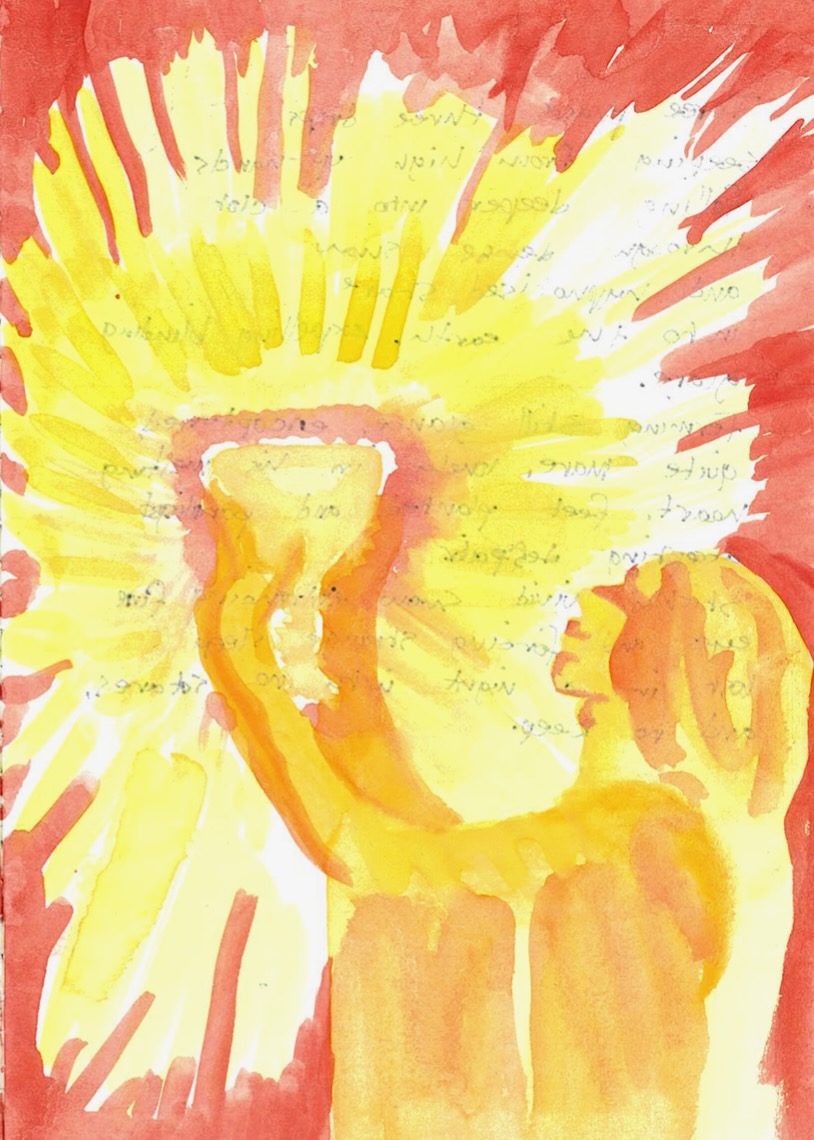
Written in the early 13th Century, Parzival is the story of a young knight on a journey of self-discovery and growth. Parzival sets out on a mission to find the holy grail. He wished to be a great knight, but he makes a mistake, he lacks compassion. The wounded king Anfortas is suffering and with him the land as well, as no one has asked the king how he is. Parzival, though destined, also fails to ask and this becomes a crucial mistake. In a world of kings, queens, noble and knights, it can be hard to practice compassion as that whole system teaches very much the opposite of compassion, much like our government systems today.
To find compassion Parzival must go out and experience life, he must seek change in himself. He meets mentor’s along the journey who teach him important lessons in showing compassion, “Let mercy keep company with courage, follow my advice in this, if in battle you win a man’s surrender, then unless he has done you such a grievance as amounts to heart’s sorrow, accept his oath and let him leave.”
Compassion is a powerful force that changes people. It sits inside of us all but whether we use it or not is up to us. In a world that lacks compassion it is simple, everyday deeds that matter. Things like checking in on someone who is having a bad day or offering up your seat on the bus without expecting thanks. Compassion is one of the most important core human values along with love and courage and I believe that no good deed goes unnoticed. To be compassionate and empathetic are qualities I strive for and like Parzival, time and experience reveal life’s journey. We can only do our best every day and I think that’s enough.
After much time and experience Parzival asks the king “What ails thee?” highlighting his character development. Parzival shows us that compassion is not just a human virtue but a force that transforms each and every one of us and the world.
Excerpt by Isabella Devitt (Year 11)
Painting by Luka-Mali Carnovale (Year 11)